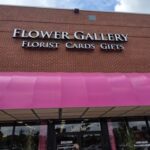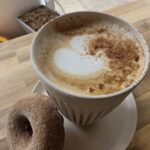
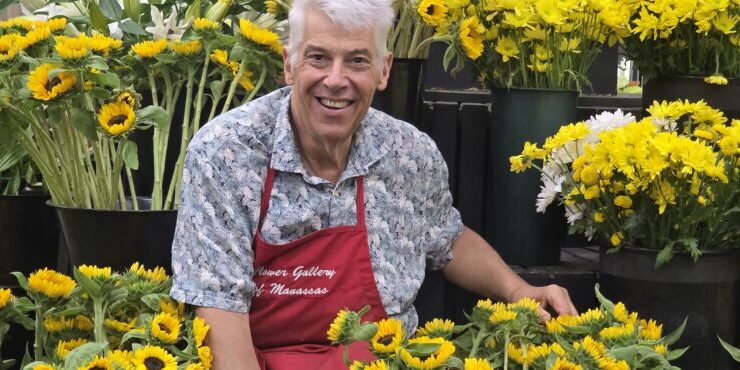
Sam Clemens went to the Flower Gallery looking for pumpkin spice.
This seemed reasonable.
Her investigation into the annual pumpkin-spice phenomenon, which began in the Manassas Journal’s The Vitriol Over Pumpkin Spice: Is It Justified?, has already established that fall apparently begins whenever someone in a corporate office decides it does. Coffee shops are serving it. Stores are displaying it. Social media is discussing it.
Surely a flower shop would have surrendered by now.
Not the Flower Gallery.
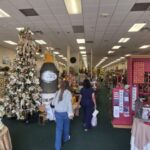
There were no pumpkin-spice displays waiting for Sam. Barely even the fall colors she expected.
This required an explanation.
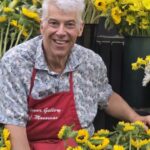
Owner Doug Burroughs had one.
He was preparing for something else.
Yellow Flowers, Not Pumpkins
Sept. 21 has become known across parts of Latin America as a day to give yellow flowers to someone special.
The modern tradition grew from the Argentine television series Floricienta, which premiered in 2004. A song and storyline about receiving yellow flowers became associated with love, hope and anticipation. Social media later introduced the custom to a new generation and helped spread it beyond Argentina.
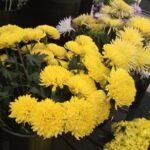
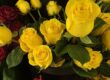
So while Sam was searching for evidence of America’s annual pumpkin-spice migration, Burroughs was getting ready for customers looking for yellow roses, sunflowers and other yellow arrangements.
The investigation had taken an unexpected turn.
But talking with Burroughs uncovered something older than either tradition.
When Competitors Helped Each Other
Burroughs has spent decades in the Manassas flower business.
He remembers a time when the area’s florists competed for the same customers but still depended on one another.
If one shop ran short of roses, baby’s breath, ribbon or something else needed to finish an arrangement, another florist would help.
The flowers went out.
They settled up afterward.
Burroughs remembers shops including Richey’s Florist and Gregory’s Florist as part of a local flower business community in which competitors understood that sometimes keeping a customer happy required helping the shop down the road.
Richey’s itself has deep roots in Manassas. Historical business records place Aubrey and Naomi Richey’s flower business in Manassas by the 1960s, and later records show the shop operating along Centreville Road, Route 28.
Gregory’s Florist also operated in Manassas beginning in the 1970s.
The Flower Gallery became part of that history when Burroughs purchased a local flower shop in 1976 and built the business that continues today.
The shops competed.
They also answered the phone when another florist needed something.
That distinction matters to Burroughs.
What he misses is not simply a busier business district. He remembers a community in which businesses knew one another, customers knew the people behind the counter and competitors could still help each other get through the day.
A Familiar Manassas Story
The florist story may turn out to be part of something larger.
That kind of cooperation did not begin with flower shops.
Long before them, Manassas-area dairy farmers relied on neighboring farms, shared resources and helped one another through the practical problems of keeping a farm running.
That is another trail Sam intends to follow as the Manassas Journal looks back at the businesses, farms and people that helped build the community.
For now, however, there is the immediate matter of yellow flowers.
Sam entered the Flower Gallery expecting pumpkins.
She found roses, a 50-year local business story and evidence of a completely different seasonal ritual.
The pumpkin spice investigation continues.
It has already become more complicated than expected.
Sources / Reference Links
Manassas Journal: The Vitriol Over Pumpkin Spice: Is It Justified?
Flower Gallery of Manassas / City of Manassas historical recognition of Doug Burroughs and the Flower Gallery
Prince William County historical business records: Richey’s Flower Shop
Historical business records: Gregory’s Florist
El Comercio: Sept. 21 Yellow Flowers tradition and its connection to Floricienta